

How to Build an SEO Portfolio That Impresses Clients and Employers
Whether you’re applying for SEO jobs Philippines or pitching clients abroad, your portfolio is your golden ticket. It’s your proof that you can deliver real results—not just theory. Don’t worry if you’re a beginner. This guide will show you step-by-step how to build and showcase SEO projects that make employers and clients say, “Wow, this person knows what they’re doing!”

Why Every SEO Beginner Needs a Portfolio
Your portfolio is your best marketing tool. It tells your story and shows your skills in action.
For beginners, it’s especially important because you may not have years of experience or big-name clients yet. A portfolio bridges that gap—it gives tangible proof that you understand SEO and can create results.
Think of it this way: a well-documented SEO portfolio = your real-world resume.
Employers or clients want to see:
- How you analyze websites
- What changes you make (titles, keywords, links, etc.)
- The measurable improvements you achieved
Even small wins—like increasing website clicks or fixing broken links—can stand out when presented clearly.
What to Include in Your SEO Portfolio
Your portfolio doesn’t need to be fancy or expensive. What matters most is clarity and results. Here’s what to include:
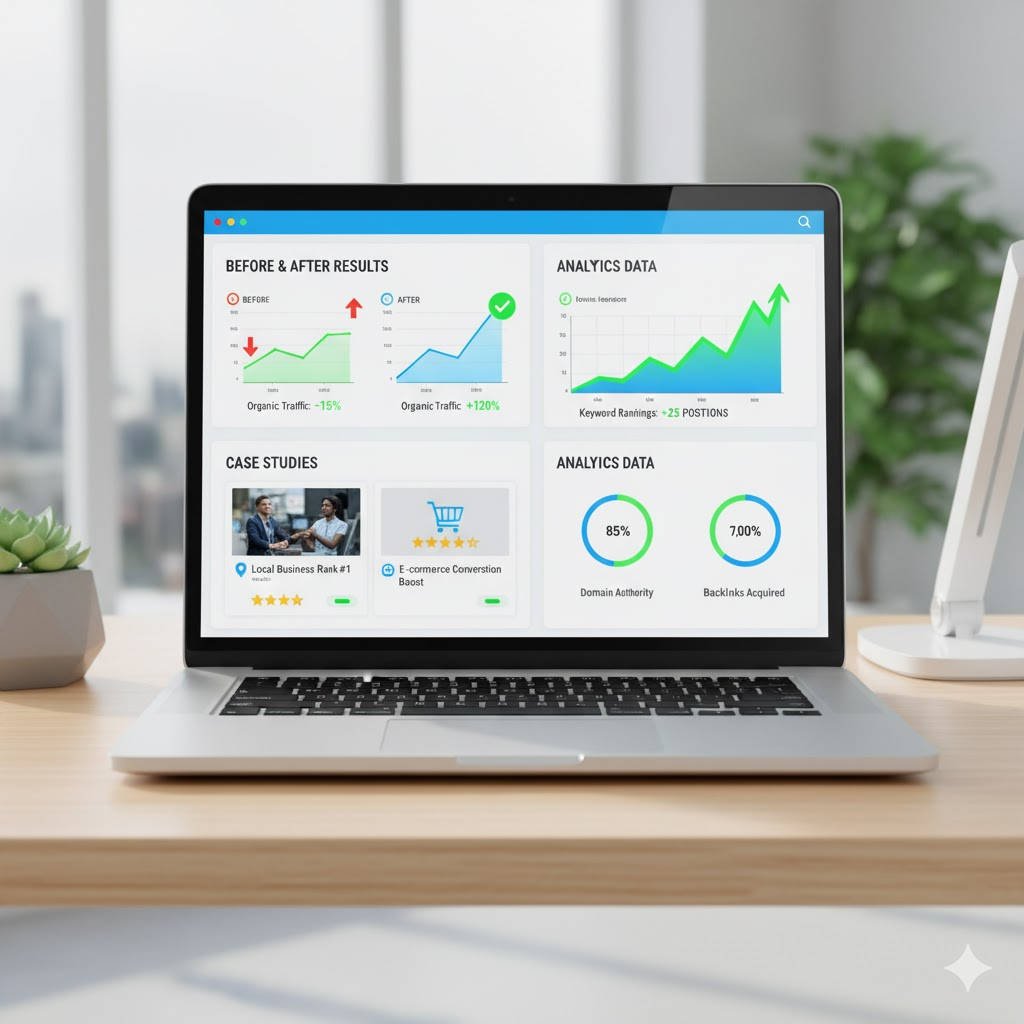
1. Before-and-After Examples
Show what changed after your SEO work. For example:
Before: Website ranked #25 for “affordable dentist in Pasig.”
After: Now ranks #5 after optimizing title tags and improving content.
Screenshots or visuals make these examples powerful and easy to understand.
2. Case Studies
Write short stories about each project:
- The problem: What wasn’t working before (e.g., low traffic, poor ranking)?
- The action: What you did (keyword research, content update, backlinks).
- The result: What improved (traffic, rankings, inquiries).
Keep them short and beginner-friendly—two to three paragraphs per case study.
3. Reports and Analytics Data
Include screenshots from tools like Google Search Console or Google Analytics showing real improvements. Highlight metrics like:
- Total clicks and impressions
- Top performing keywords
- Increase in organic traffic
Pro Tip: Use simple visuals and clear explanations. Avoid technical jargon—your goal is to make it easy for non-SEOs (like business owners) to see your value.

How to Create Portfolio Projects Without Paying Clients
You don’t need to wait for a company to hire you to start building your SEO portfolio. You can create your own projects and gain real experience. Here’s how:
1. Build Your Own Website or Blog
Start a blog on something you love—like food reviews, travel tips, or freelancing. Apply SEO basics: use keywords, meta descriptions, and internal links. Track how your posts perform over time.
2. Volunteer for Small Businesses
Offer free or discounted SEO help to your relatives, friends, or local businesses. For example, help your cousin’s online shop rank for “custom shirts in Quezon City.”
3. Do Mini SEO Challenges
Pick a random local website (like a café or salon) and create a short audit explaining what they could improve. You can include this in your portfolio as a “sample project.”
4. Join SEO Training Programs with Hands-On Tasks
Some training programs (like SEOTalksPH) offer real exercises you can showcase. This helps you learn and earn portfolio content at the same time.
If you’re not sure where to start, check our how to become an SEO specialist in the Philippines guide—it includes step-by-step lessons to build your skills and confidence before working on client projects.
Tools to Track and Present Results
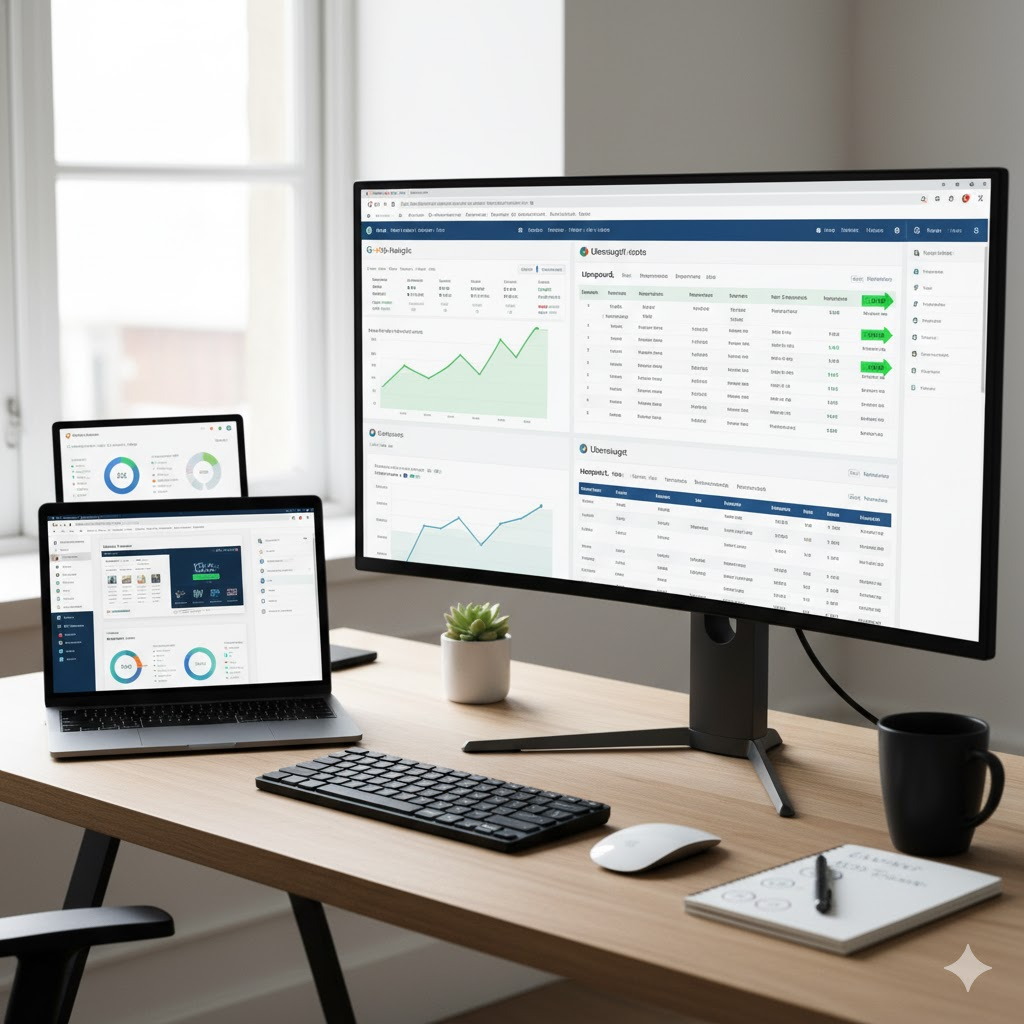
You don’t need expensive tools to start your SEO portfolio. Begin with free or affordable ones that show clear data and progress.
- Google Search Console: Shows which keywords your website ranks for and how they perform.
- Google Analytics 4 (GA4): Tracks visitors, locations, and page performance.
- Ubersuggest: Great for keyword tracking and SEO audits.
- Canva or Google Slides: Use these to design clean and easy-to-read case study pages.
- Looker Studio (formerly Data Studio): Turn your data into simple, visual reports
Bonus Tip: Organize your work in a Google Drive folder or personal website so you can easily send a link to employers or clients.

How to Use Your Portfolio to Land Jobs or Freelance Gigs
Once you have a few case studies and data-backed results, it’s time to use your portfolio to attract opportunities.
1. Add It to Your Resume and LinkedIn
Link your portfolio under “Experience” or “Featured Projects.” Recruiters love seeing real proof.
2. Include It in Client Pitches
When sending proposals on OnlineJobs.ph or Upwork, include a short success example like:
“Here’s how I helped a local spa in Manila rank on Google for ‘affordable massage near me.’”
3. Talk About Results, Not Tasks
Instead of saying “I optimized a website,” say “I helped increase website traffic by 45% in 3 months.” Results get attention.
4. Keep Updating It
Add new projects as you grow. Even your early experiments matter—show that you’re learning and improving.
Final Thoughts
Building an SEO portfolio Philippines version doesn’t require years of experience—it just requires curiosity, practice, and a focus on results. Start small, document everything, and keep testing your ideas.
Your portfolio tells your story as an aspiring SEO Specialist Philippines professional. It shows your growth, your mindset, and your ability to deliver.
If you’re serious about landing your first SEO job or freelance client, begin learning step-by-step with SEOTalksPH. Our lessons will help you practice real SEO tasks, track results, and build a portfolio you’ll be proud to show off.
Your first project might be small—but it’s the start of something big.